

Doctor of Pharmacy & Master of Public Health – Generalist
book_2 Learning Mode: ResidentialProgram Overview
The Doctor of Pharmacy and Master of Public Health - Generalist (Pharm.D., MPH) program at MUSC prepares students to pair clinical pharmacy expertise with a public health perspective. Through the Pharm.D. curriculum, students build the judgment, communication, and patient care skills needed to deliver safe, evidence-informed care across settings. Concurrent MPH coursework adds training in health policy, research methods, program evaluation, community health assessment and equitable access to care. Together, these experiences help students address individual patient needs while understanding the systems that shape health outcomes. Graduates are prepared for licensure, residencies, advanced pharmacy practice, public health roles, industry, policy, and service.
Application Timeline
Request information to learn more about the program and next steps.
Ranked
#1
pharmacy school in South Carolina
U.S. News & World Report
Top
30%
public health program in the U.S.
U.S. News & World Report, 2026
86%
NAPLEX first-time pass rate
Exceeding national average of 77.5%. National Association of Boards of Pharmacy, 2025.
87%
post-graduation residency match rate
American Society of Health-System Pharmacists
Success you can measure
From national recognition to student satisfaction and real-world results, these numbers reflect the value and impact waiting for you in our program.
Learning Experience
Engage in structured introductory and advanced practice rotations complemented by collaborative coursework and cutting-edge experiential labs.
Inside the Program
The Doctor of Pharmacy and Master of Public Health - Generalist program prepares you to serve patients while addressing the broader systems, policies, and community factors that shape health. In this residential Pharm.D. program with online MPH coursework, you will build clinical pharmacy expertise while developing foundations in epidemiology, biostatistics, health policy, program evaluation, health equity, and applied public health practice.
Starting in the second year of the Pharm.D. program, you will add public health coursework that complements your pharmacy training. This integrated path allows you to connect medication expertise with population focused strategies, helping you prepare for roles that improve individual care while advancing public health initiatives, health care policy, community health, and access to care.
Skills you'll gain
Through pharmacy coursework, experiential learning, online public health courses, field practice, and a capstone experience, you’ll learn to apply clinical and therapeutic knowledge while evaluating health needs at the community and population levels. You will strengthen your ability to use data, assess public health priorities, support medication safety, examine health disparities, and design strategies that improve health outcomes.
You will also build skills in health policy, program planning, public health communication, interprofessional collaboration, and evidence informed decision making. These experiences prepare you to think beyond the point of care and contribute to solutions that improve medication access, chronic disease management, health promotion, and health system performance.
Support for your success
You’ll learn through a coordinated path that combines the strengths of the College of Pharmacy and the MPH Generalist program. Faculty mentors, experiential learning sites, public health instructors, and advisors help you connect pharmacy practice with broader public health priorities.
In the Pharm.D. curriculum, you will gain hands on experience through labs, simulation, introductory practice experiences, and advanced pharmacy practice experiences. In the MPH curriculum, you will complete online coursework along with applied public health practice and a capstone that allows you to examine a real public health question, develop a project, and present your work. Together, these experiences help you build clinical confidence, public health perspective, and leadership capacity.
Who should apply
This program is well suited for Pharm.D. students who want to expand their impact beyond individual patient care and contribute to population health, public health practice, health policy, health equity, or health system improvement. It is a strong fit for students who want to combine pharmacy expertise with public health training and prepare for careers in clinical practice, government agencies, public health organizations, hospitals, health care administration, community health, the pharmaceutical industry, research, or policy focused roles.
Curriculum
The Doctor of Pharmacy and Master of Public Health - Generalist curriculum consists of 178 credits and is designed to be completed in 11 semesters. Below is the standard plan of study outlining the structured progression of coursework as you advance through the program.
Year 1, Fall A
| Course ID | Course Title | Credits |
|---|---|---|
| COP601 | Foundations of Pathophysiologics & Pharmacologics I | 2 |
| COP605 | Introduction to Pharmacy Practice | 2 |
| COP607 | Dosage Forms & Drug Delivery Systems | 4 |
| COP609 | Pharmaceutical Chemistry & Pharmgenomics I | 2 |
| COP615 | Pharmaceutical Biochemistry | 3 |
| COP620 | Introduction to Drug Information | 1 |
| COP625 | Pharmacy Calculations | 1 |
| COP627 | Medical Terminology | 1 |
| COP630 | Compounding & Applied Pharmaceuticals Lab | 1 |
| Semester Total | 17 | |
Year 1, Spring
| Course ID | Course Title | Credits |
|---|---|---|
| COP603 | Foundations of Pathophysiologics & Pharmacologics II | 4 |
| COP611 | Pharmaceutical Chemistry & Pharmgenomics I | 3 |
| COP616 | Pharmaceutical Biotechnology | 2 |
| COP618 | Self-care & Complementary Medicine | 4 |
| COP632 | Introduction to Community Pharmacy Lab | 2 |
| COP640 | Clinical Applications I | 1 |
| IP711 | Foundations and TeamSTEPPS | 1 |
| IP### | IP Concentration Course of Choice | 1 |
| Semester Total | 18 | |
Year 1, Summer A, Trailer
| Course ID | Course Title | Credits |
|---|---|---|
| COP650, COP651 |
Introductory Pharmacy Practice Experience Community, or Advanced Introductory Pharmacy Practice Experience I: Community |
4 |
| Semester Total | 4 | |
Year 2, Fall A
| Course ID | Course Title | Credits |
|---|---|---|
| COP713 | Disease Processes & Therapeutics I | 3 |
| COP715 | Disease Processes & Therapeutics II | 4 |
| COP717 | Clinical Microbiology | 2 |
| COP722 | Biopharmaceuticals & Pharmacokinetics | 2 |
| COP732 | Intravaneous Admixtures Lab | 0.5 |
| COP735 | Applied Pharmacy Calculations Lab | 0.5 |
| COP742 | Clinical Applications II | 1 |
| PHGEN706 | Introduction to Public Health | 3 |
| PHEPI736 | Foundations of Epidemiology I | 3 |
| Semester Total | 19 | |
Year 2, Spring
| Course ID | Course Title | Credits |
|---|---|---|
| COP716 | Disease Processes & Therapeutics III | 3 |
| COP718 | Disease Processes & Therapeutics IV | 4 |
| COP720 | Clinical Pharmacokinetics | 3 |
| COP725 | Outcomes Design & Assessment | 3 |
| COP733 | Applied Health Systems Lab | 1 |
| COP744 | Clinical Applications III | 1 |
| PHGEN708 | Principles of Environmental Health | 3 |
| Semester Total | 18 | |
Year 2, Summer A, Trailer
| Course ID | Course Title | Credits |
|---|---|---|
| COP750, COP753 |
Introductory Pharmacy Practice Experience Hospital, or Advanced Hospital Introductory Pharmacy Practice Experience |
4 |
| PHGEN716 | Public Health Ethics & Leadership | 3 |
| PHGEN717 | Applied Research Methods | 3 |
| Semester Total | 10 | |
Year 3, Fall A
| Course ID | Course Title | Credits |
|---|---|---|
| COP804 | Healthcare Systems & Management | 3 |
| COP821 | Advanced Drug Information | 2 |
| COP822 | Disease Processes & Therapeutics V | 3 |
| COP823 | Disease Processes & Therapeutics VI | 4 |
| COP834 | Applied Community Pharmacy Lab | 2 |
| COP846 | Clinical Applications IV | 1 |
| PHBIO 700 | Biostatistics Methods I | 3 |
| PHEPI 759 | Health Disparities Epidemiology | 3 |
| Semester Total | 21 | |
Year 3, Spring
| Course ID | Course Title | Credits |
|---|---|---|
| COP825 | Disease Processes & Therapeutics VII | 4 |
| COP826 | Disease Processes & Therapeutics VIII | 3 |
| COP805 | Pharmacy Law & Ethics | 3 |
| COP836 | Clinical Assessment | 3 |
| COP848 | Clinical Applications V | 1 |
| PHHBP700 | Social Behavior Sciences | 3 |
| Semester Total | 17 | |
Year 3, Summer A, Trailer
| Course ID | Course Title | Credits |
|---|---|---|
| COP990 | Board Preparation I | 1 |
| PHGEN715 | Program Planning, Development, & Evaluation | 3 |
| APPE | Advanced Pharmacy Practice Experience | 4 |
| Semester Total | 8 | |
Year 4, Fall A
| Course ID | Course Title | Credits |
|---|---|---|
| COP991 | Board Preparation II | 1 |
| PHGEN790 | Topics in Public Health | 3 |
| APPE | Advanced Pharmacy Practice Experience | 4 |
| APPE | Advanced Pharmacy Practice Experience | 4 |
| APPE | Advanced Pharmacy Practice Experience | 4 |
| APPE | Advanced Pharmacy Practice Experience | 4 |
| APPE | Advanced Pharmacy Practice Experience | 4 |
| Semester Total | 24 | |
Year 4, Spring
| Course ID | Course Title | Credits |
|---|---|---|
| COP950 | Grand Rounds | 4 |
| COP992 | Board Preparation III | 1 |
| PHGEN780 | Applied Practice Experience | 6 |
| PHGEN770 | Integrative Learning Experience | 3 |
| APPE | Advanced Pharmacy Practice Experience | 4 |
| APPE | Advanced Pharmacy Practice Experience | 4 |
| Semester Total | 22 | |
| Curriculum Total | 178 | |
| Pre-Pharmacy Total | 63 | |
| Required Total | 241 | |
* Student enrolled in the combined degree do not have to complete eight hours of electives.
- Minimum 320 hours of Introductory Pharmacy Practice Experience (IPPE) required by the college (300 hours is required by ACPE) will be satisfied by two four-credit (four-week) externships in the summers of the Year 1 and Year 2.
- Minimum 1440 hours of Advanced Pharmacy Practice Experience (APPE) (as required by ACPE) will be satisfied by nine four-credit (one-month) externships in Year 4. Courses include: two acute medicine, one ambulatory care, one community, one health-system, and four electives.
- COP652 and COP653 in Year 2, Fall and Spring if COP650 or COP651 are not completed in Year 1, Summer.
- COP751 and COP752 in Year 2, Fall and Spring if COP750 or COP753 are not completed in Year 2, Summer.
Your path to admission
Discover key information about application steps and required documentation to help you move forward with confidence.
Eligibility Requirements
All applicants must:
- Be actively enrolled in the Doctor of Pharmacy (Pharm.D.) program of the MUSC College of Pharmacy
- Have completed the first year of the Pharm.D. program with a minimum cumulative GPA of 3.0 on a 4.0 scale
Technical Standards
To ensure all students can meet the demands of a rigorous professional curriculum and deliver safe, effective care in diverse clinical settings, there are key expectations related to academic and professional performance. For a detailed description of these expectations, view the College of Pharmacy Technical Standards page.
Minimum Abilities
At MUSC, we actively support all students to ensure their success in both academic and clinical settings. To support this goal, the university outlines the essential qualities and functional abilities required for participation in its educational programs. These include a range of observational, communication, motor, intellectual and behavioral skills necessary for safe and effective practice.
Application Process
Applications are accepted between April and June 1 each year. For more information about applying to the Master of Public Health (MPH) program, send your inquiries to mphadmissions@musc.edu.
Application Requirements
- MPH Application: Applicants must submit an MUSC application to the MPH program.
- Letters of recommendation: Applicants must submit a letter of recommendation from instructors or supervisors who have had close contact with them during their undergraduate, graduate, clinical, or research training. Recommendations are requested and submitted through the MUSC online application.
- Official transcripts from all institutions attended
- Personal statement: Applicants must submit a personal statement, not to exceed 1,000 words, that (1) describes their motivation for pursuing an MPH degree and, in particular, their motivation for pursuing their chosen concentration, (2) describes their background and how their interests and experiences make them ideally suited for participation in the MPH degree program within their chosen concentration, (3) outlines their main achievements or successes in their professional or academic development and highlights any special experiences or training in their chosen MPH concentration, and (4) describes their career plans and long-term goals in the field of public health and how obtaining an MPH degree within their chosen concentration will help them meet their long-term plans and goals and answering the question, "Why do you feel that MUSC is a good fit for you personally and academically?"
- Resume: Applicants must provide an updated resume detailing relevant academic and professional experiences.
International Applicants
International applicants may apply. For more information on the DPHS admissions process overviewing applications, visas, and fees, please view our DPHS International Student Admissions handout (PDF).
MUSC welcomes international applicants and offers tailored guidance to support you throughout the admission process.
Why MUSC was the right choice
Hear from students about MUSC's supportive environment, strong mentorship, and opportunities to grow as patient advocates

Funding your path forward
Review tuition, program costs and financial support for the Pharm.D. and MPH concurrent degree as you prepare to expand your impact across pharmacy and public health.
Tuition & Fees
Tuition and fees listed below apply to the 2026-27 academic year and are per semester unless otherwise noted.
| Fee Type | Fee |
|---|---|
| Application Fee (per application) | $95 |
| Matriculation Fee (accepted applicant) | $485 |
Year 2
| Tuition/Fee Type | Fall | Spring | Summer |
|---|---|---|---|
| In-State Tuition | $18,172 | $15,578 | $5,190 |
| Out-of-State Tuition | $18,172 | $15,578 | $5,190 |
| Program Fee | $695 | $695 | $695 |
| Examination and Technology Support Fee | $260 | - | - |
| International Student Fee | $1,250 | $1,250 | - |
Year 3
| Tuition/Fee Type | Fall | Spring | Summer |
|---|---|---|---|
| In-State Tuition | $18,172 | $15,578 | $2,595 |
| Out-of-State Tuition | $18,172 | $15,578 | $2,595 |
| Program Fee | $695 | $695 | $695 |
| Examination and Technology Support Fee | $260 | - | - |
| International Student Fee | $1,250 | $1,250 | - |
Year 4
| Tuition/Fee Type | Fall | Spring | Summer |
|---|---|---|---|
| In-State Tuition | $15,577 | $20,768 | - |
| Out-of-State Tuition | $15,577 | $20,768 | - |
| Program Fee | $695 | $695 | - |
| Examination and Technology Support Fee | $260 | - | - |
| International Student Fee | $1,250 | $1,250 | - |
Cost of Attendance
The Cost of Attendance, or COA, estimates the total educational expenses for an enrollment period. The information below reflects the 2026-27 academic year. The COA includes direct costs, such as tuition and fees, billed by the university, as well as indirect costs you may need to plan for, including housing, food, transportation, books and other personal expenses.
The COA helps determine the maximum amount a student may borrow in an academic year and supports funding-related determinations, such as grants, scholarships, loans and others.
Your actual expenses may be lower than the COA, especially with careful budgeting. MUSC's Office of Student Financial Literacy can help you create a budget that supports your education, personal needs and long-term financial goals.
| Item | Year 1 | Year 2 | Year 3 | Year 4 | Est. Total |
|---|---|---|---|---|---|
| Direct Costs | |||||
| In-State Tuition | $25,965 | $38,940 | $36,345 | $36,345 | $137,595 |
| Out-of-State Tuition | $25,965 | $38,940 | $36,345 | $36,345 | $137,595 |
| Health Insurance | $4,000 | $4,000 | $4,000 | $4,000 | $16,000 |
| Fees | $300 | $2,645 | $2,645 | $1,950 | $7,540 |
| In-State Total Direct Costs | $30,265 | $45,585 | $42,990 | $42,295 | $161,135 |
| Out-of-State Total Direct Costs | $30,265 | $45,585 | $42,990 | $42,295 | $161,135 |
| Indirect Costs | |||||
| Living Expenses (Food and Housing) | $18,096 | $27,144 | $27,144 | $18,096 | $90,480 |
| Miscellaneous Personal Expenses | $1,920 | $2,880 | $2,880 | $1,920 | $9,600 |
| Transportation | $2,160 | $3,240 | $3,240 | $2,160 | $10,800 |
| Books, Course Materials, Supplies and Equipment | $4,285 | $5,870 | $4,485 | $7,210 | $21,850 |
| Total Indirect Costs | $26,461 | $39,134 | $37,749 | $29,386 | $132,730 |
| Estimated Total Costs | |||||
| In-State Total Costs | $56,726 | $84,719 | $80,739 | $71,681 | $293,865 |
| Out-of-State Total Costs | $56,726 | $84,719 | $80,739 | $71,681 | $293,865 |
Scholarships & Aid
MUSC offers scholarships for which you may be eligible. Some are awarded based on academic achievement; others are awarded based on community service, for example. However, the majority of scholarships awarded at MUSC are based on financial need. This means that these scholarships are only awarded to students who need some financial assistance to cover the cost of tuition and fees. If you would like to be considered for a financial need-based scholarship, you must have an up-to-date Free Application for Federal Student Aid (FAFSA) on file. Make sure you list the Medical University of South Carolina on your FAFSA form, along with MUSC's code: 003438. We encourage you to submit your FAFSA as early as possible. It is recommended to submit your FAFSA in January if you plan to enroll in the fall.
Program Faculty
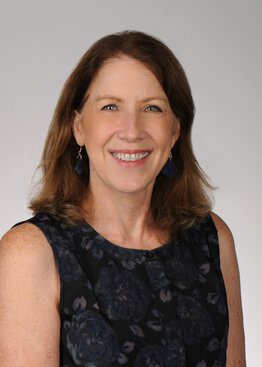
Katherine H. Chessman, Pharm.D., FPPA, FCCP, BCNSP
Chair & Professor, Clinical Pharmacy & Outcomes Sciences
Katherine ‘Kathy’ Hammond Chessman, Pharm.D., FPPA, FCCP, BCNSP, was born in Greenville, SC. She graduated Magna Cum Laude with a Bachelor of Science in Biology from Presbyterian College and was selected as the Presbyterian College Outstanding Young Alumnus in 1997. Dr. Chessman received both a Bachelor of Science in Pharmacy and a Doctor of Pharmacy degree (Pharm.D.) from the College of Pharmacy at the Medical University of South Carolina (MUSC). She then completed her Pediatric Pharmacotherapy Residency with an emphasis in nutrition, pharmacokinetics, critical care, and research at the University of Tennessee and Le Bonheur Children’s Medical Center in Memphis, TN.
After finishing her residency program, Dr. Chessman accepted a position as the MUSC University Medical Center’s first, full-time, hospital-based clinical pharmacy specialist working in the Division of Pediatric Surgery. She is now chair of the Department of Clinical Pharmacy and Outcome Sciences and Professor with tenure at the MUSC College of Pharmacy, a clinical pharmacist specializing in pediatric surgery and intestinal rehabilitation at the MUSC Shawn Jenkins Children’s Hospital and previously served as director of the MUSC Pediatric Pharmacy Residency Program for 28 years.
At MUSC, Dr. Chessman served as president of the Faculty Senate and received one of the three inaugural university-wide MUSC Outstanding Clinician Awards (2000). She recently received the MUSC Commitment to Excellence in Interprofessional Education and Collaborative Practice Award. She is board-certified in nutrition support, previously board-certified in pharmacotherapy, a charter member of the Phi Lambda Sigma Leadership Society Beta Chi Chapter, and a fellow of the American College of Clinical Pharmacy (ACCP) and the Pediatric Pharmacy Association. She served on and chaired the Board of Pharmaceutical Specialties (BPS) Nutrition Support Council and the BPS Pediatric Pharmacy Specialty Council.
Dr. Chessman was the senior author on one of the first publications to describe using an ethanol lock to successfully reduce central line-related infections in children on home parenteral nutrition. She was also a member of the editorial boards of the ACCP’s Pharmacotherapy Self-Assessment Program 5th, 6th, and 7th Editions. She has authored several book chapters in the areas of fluids, electrolytes, nutrition, and various pediatric topics.
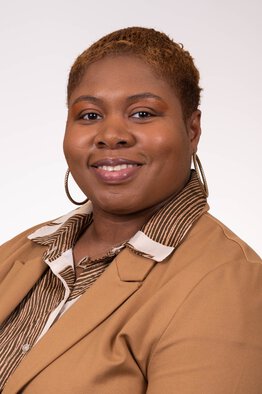
JacKetta R. Cobbs, Ph.D.
Associate Vice Chair of Public Health Education
Assistant Professor, Public Health Sciences
JacKetta R. Cobbs, Ph.D., is assistant professor in the Department of Public Health Sciences in the College of Medicine at the Medical University of South Carolina (MUSC). She also serves as associate vice chair of Public Health Education, where she contributes to the advancement of public health training and academic program leadership at MUSC.
Dr. Cobbs earned her Bachelor of Science in Chemistry and Master of Public Health (MPH) from Florida A&M University. She later completed her Doctor of Philosophy (Ph.D.) in Public Health with a concentration in Epidemiology at Walden University. Her academic and professional work reflects strong commitment to population health, health equity, and the preparation of future public health professionals.
Dr. Cobbs has a strong background in epidemiology, community health, and public health practice. Her professional experience includes work in diabetes prevention and minority health, as well as service as an epidemiologist studying injury rates and risk factors in military training environments. These experiences have shaped her commitment to improving health outcomes and preparing students to address complex public health challenges.
Her academic and professional interests include epidemiology, chronic disease, public health education, and the social determinants of health and well-being. Her doctoral research explored the relationship between social support and depressive symptoms among African Americans living with heart failure. She has also contributed to scholarly discourse through coauthored publications, including work published in JAMA Network Open.
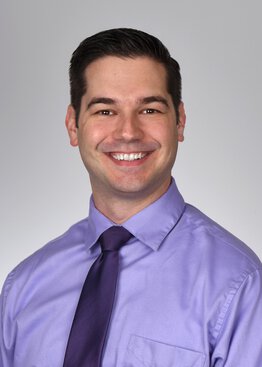
Anthony DeClue, Pharm.D.
Associate Professor, Clinical Pharmacy & Outcomes Sciences
Stories worth sharing
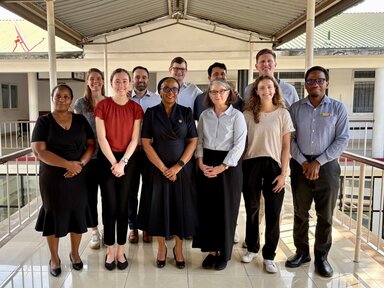
Center for Global Health + College of Pharmacy
Building a sustainable defense against antimicrobial resistance in Tanzania
College of Pharmacy
Hibionada, Worralls attend International Pharmaceutical Federation World Congress
Education + College of Dental Medicine
MUSC honors faculty at 2026 James W. Colbert Lectureship and Faculty Awards and Recognition...
Accreditation & Recognition
The Doctor of Pharmacy program at the Medical University of South Carolina is accredited by the Accreditation Council for Pharmacy Education (ACPE). ACPE accreditation means that our program meets or exceeds established standards for a professional program leading to the Doctor of Pharmacy degree. The Master in Public Health program at the Medical University of South Carolina is accredited by the Council on Education for Public Health (CEPH) for a five-year term until 2027. CEPH accreditation means that our program meets or exceeds established standards for a professional program leading to the MPH degree. Whereas accreditation applies to training programs, licensure applies to individuals.
Our program prepares students for and makes them eligible to take the North American Pharmacist Licensure Examination (NAPLEX), which all individuals must pass in order to practice pharmacy. Passing the NAPLEX is necessary, but it may not be sufficient to practice pharmacy in a given state. You may visit the National Association of Boards of Pharmacy (NABP) website to view additional requirements for practicing pharmacy in each state.
For additional information regarding accreditation status or to view materials from the self-study's Electronic Resource File, please contact JacKetta R. Cobbs, Ph.D., MPH, via email at cobbsj@musc.edu.