
Who We Are
Principal Investigator
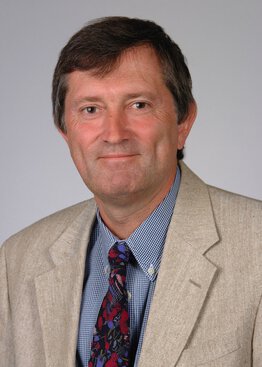
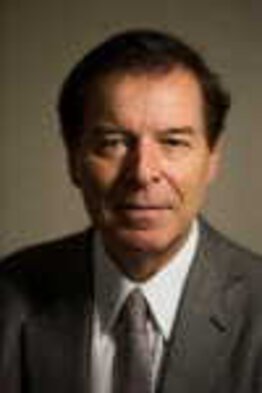
Kenneth D. Tew, Ph.D., DSc
Professor, Department of Pharmacology and Immunology
John C. West Endowed Chair of Cancer Research
My research is aimed at identifying drug discovery/development strategies with a platform of redox pathways. Earlier studies on resistance mechanisms to alkylating agents and anti-microtubule drugs led to prevalent focus on redox pathways, particularly those linked to glutathione and glutathione S-transferases (GST). For example, evidence that attachment of glutathione to cysteine residues influenced enzyme activity and laid the groundwork for more recent work on how drugs and/or stress influence post-translational S-glutathionylation and its associated cycle. These led to defining how redox mechanisms interconnect with essential signaling pathways such as how GSTP regulates Jun NH2-terminal kinase (JNK)-related signaling events and acts as a catalyst for the forward reaction of S-glutathionylation. Through clinical trials, we identified S-glutathionylated proteins as plasma biomarkers for responses to drugs and radiation. The redox proteome and its associated pathways therefore form a platform for discovery and development that continues to drive our present-day research.
Investigators
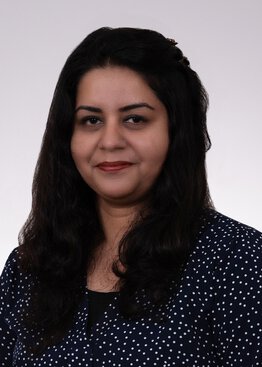
Lalima (Ahuja) K. Madan, Ph.D.
Assistant Professor, Biochemistry & Molecular Biology

Peggi Angel, Ph.D.
Professor, Department of Pharmacology and Immunology
Dr. Peggi Angel's research is focused on understanding the spatial systems biology of human health – how molecular interactions change due to external, endogenous environmental and mechanical forces in normal development and in disease. The primary analytical research in her lab is focused on developing new approaches for deeper single cell sequencing of collagen structures, targeting signaling components of fibrotic deposition, and the application of these methods for human disease prognosis and diagnosis. The main biological research focus of her group is understanding how spatial changes in translational and post-translational collagen regulation contributes to breast cancer initiation and metastasis and impacts on cancer risk. She is the inventor of the spatial method targeting collagen on formalin-fixed, paraffin-embedded tissues. The approach generates data that may be used not only to understand stroma regulation within the tumor microenvironment and circulating serum. Collagen biosignatures also be used as a predictive tool developing signatures that differentiate pathologies, patient status, and therapeutic response. She has published several papers using this method in various cancerous tissues. Her lab is focused on leveraging this approach to understand disparities in breast cancer, colorectal cancer, and outcomes in hepatocellular carcinoma.
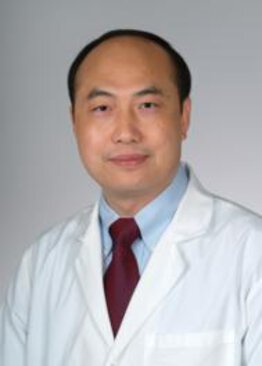
Gavin Yong Wang, M.D., Ph.D.
Associate Professor, Department of Pathology & Laboratory Medicine
Lead Researcher
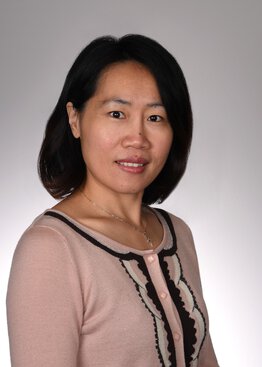
Haizhen (Jen) Wang, Ph.D.
Associate Professor, Department of Pharmacology and Immunology
Pilot Projects
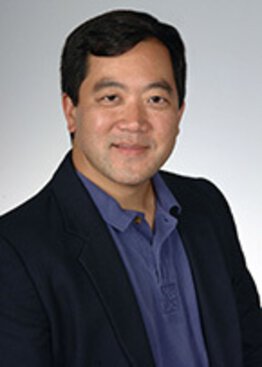
Kyu-Ho Lee, M.D., Ph.D.
Center Manager - Digestive Disease Research Core Center
leekh@musc.edu
843-792-0307
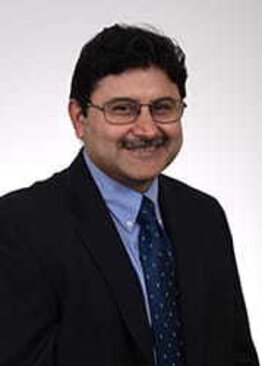
Shikhar Mehrotra, Ph.D.
Professor and Chair, Department of Pharmacology & Immunology
Robert K. Stuart, M.D. Distinguished Chair in Hematology/Oncology
Co-Scientific Director, Oncology and Immunotherapy Programs, Center for Cellular Therapy
Dr. Shikhar Mehrotra completed his Ph.D. in Immunology in India and post-doctoral fellowship at the University of Connecticut Health Center in Farmington, CT. He joined MUSC in 2006, where his research focuses on understanding T cell biology for improving immunotherapy of cancer.
Dr. Mehrotra has held numerous leadership roles at MUSC alongside his highly productive research career. He is currently the co-scientific director of Oncology and Immunotherapy Programs for the Center for Cellular Therapy, an FDA registered cGMP level facility with capabilities ranging from immunomonitoring of patient samples to manufacturing of cellular products for immunotherapy. He has served on the College of Medicine’s Research Oversight Committee since its inception in 2020.
Core Directors

Danyelle Townsend, Ph.D.
Interim Research Co-Chair, Department of Drug Discovery & Biomedical Sciences
Professor, College of Pharmacy
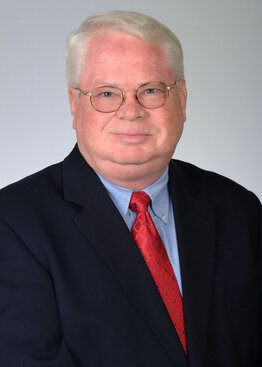
John Lemasters, M.D., Ph.D.
Professor Emeritus, Drug Discovery & Biomedical Sciences
I have a long-standing interest in the role of mitochondrial metabolism in pathobiology, especially in relation to alcoholic and non-alcoholic steatohepatitis, oxidative stress, ischemia-reperfusion injury to heart and liver, mitochondrial autophagy (mitophagy), and cancer. My laboratory has published more than 400 papers in peer-reviewed journals (h-index = 118) plus more than 100 book chapters. Productive, long-term collaborations with junior and senior colleagues contributed importantly to this success. For these projects, my laboratory applies new techniques of quantitative laser scanning confocal, intravital multiphoton, and super-resolution microscopy, as well as Seahorse respirometry and related metabolic flux techniques, for physiological analysis of mitochondria and other organelles in living cells and in the intact tissues of living animals.
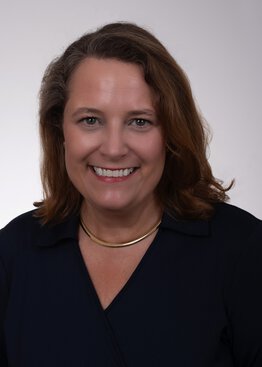
Lauren E. Ball, Ph.D.
Director, MUSC Mass Spectrometry Shared Resource;
Director, Redox Center Proteomics Core;
Associate Director, MUSC Digestive Disease Research Center Proteomics Core;
Associate Professor, Department of Pharmacology and Immunology
Dr. Lauren Ball's research focuses on defining the impact of the glucose-responsive, post-translational O-GlcNAc modification of adaptor proteins, transcription factors, and epigenetic regulators on cellular signaling and metabolic homeostasis. The activity of O-GlcNAc transferase, the enzyme responsible for protein O-GlcNAcylation, is elevated in many human cancers. Her lab is establishing LC-MS/MS-based methodology to identify the proteins (and sites therein) that are differentially regulated by O-GlcNAc, probe for cross-talk of O-GlcNAc with phosphorylation at Ser/Thr residues, and define the impact of O-GlcNAc on protein function and interactions in the context of breast cancer.
Mentors
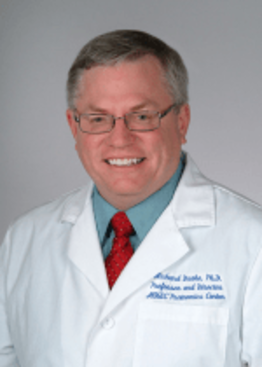
Richard Drake, Ph.D.
Director, Proteomics Center
Core Leader, DDRCC Proteomics Core
Professor, Department of Pharmacology & Immunology
SmartState Endowed Chair in Proteomics
Since arriving at MUSC in 2011, I have strived to expand translational research opportunities within my department and throughout MUSC by combining clinical research, biorepository, and molecular pathology resources with an extensive biomedical proteomics and small molecule mass spectrometry facility. My primary research focus is in identifying glycoproteins, glycans, and glycolipids using human and animal model tissues and biofluids.
My laboratory developed the founding MALDI imaging mass spectrometry methodology to allow researchers worldwide to access N-glycosylation from the tissue microenvironment in both formalin-fixed, paraffin-embedded and frozen tissues. The glycan tissue maps serve as guides to target tumor-localized glycoproteins for proteomic analysis, as well as provide molecular determinants for histopathology applications. This technology has recently been adapted and funded to develop tools to analyze cell lines, immune cells, and biofluids directly on slides. New research efforts are focused on developing new methods for investigating O-glycan, glycogen, and glycosaminoglycan oligomers, as well as expanding prior glycosphingolipid workflows.
Scott T. Eblen, Ph.D.
Associate Professor, Department of Pharmacology & Immunology
My lab studies the role protein kinases and ubiquitin ligases in signal transduction and the regulation of tumor cell biology, particularly in the context of ovarian cancer, with collaborative projects in breast cancer. I have published works on the regulation of signaling through the ERK pathway by cell adhesion and how this regulation is disrupted in ovarian cancer cells, promoting anchorage-independent cancer cell survival and proliferation. Additionally, I have discovered novel substrates of ERK2, including the alternative mRNA splicing factor RBM17/SPF45 and identified SPF45 as the first splicing factor regulated by multiple MAP Kinase signaling cascades, with specificity dependent upon the extracellular stimulus.
My research efforts identified the E3 ubiquitin ligase UBR5/EDD as a novel substrate of ERK2. I am a member of the Gyn/Onc and Breast Cancer research teams in the Hollings Cancer Center. My work has been supported by the National Cancer Institute, the Department of Defense’s Breast and Ovarian Cancer Research Programs, the MUSC Center for Oral Health and the South Carolina Translational Research Institute. I am also heavily involved in Pharmacology teaching in the MUSC Dental and Medical Schools.
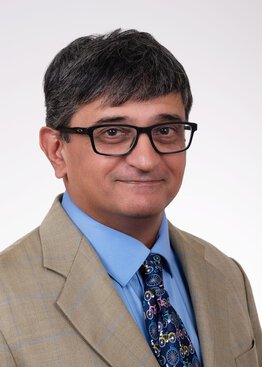
Anand S. Mehta, Ph.D.
Senior Associate Dean of Research, College of Medicine
SmartState Endowed Chair in Proteomic Biomarkers
Professor, Department of Pharmacology & Immunology
A large part of my laboratory is focused on understanding and developing diagnostic methods and treatments for hepatocellular carcinoma (HCC), a primary cancer of the liver that kills close to 1 million people every year. Our lab was one of the first to perform total serum glycan analysis for biomarker detection and one of the first to perform serum glycoproteomics. Through this we identified over 30 serum glycoproteins with increased levels of fucose in those with HCC.
Kenneth D. Tew, Ph.D., DSc
Professor, Department of Pharmacology and Immunology
John C. West Endowed Chair of Cancer Research
My research is aimed at identifying drug discovery/development strategies with a platform of redox pathways. Earlier studies on resistance mechanisms to alkylating agents and anti-microtubule drugs led to prevalent focus on redox pathways, particularly those linked to glutathione and glutathione S-transferases (GST). For example, evidence that attachment of glutathione to cysteine residues influenced enzyme activity and laid the groundwork for more recent work on how drugs and/or stress influence post-translational S-glutathionylation and its associated cycle. These led to defining how redox mechanisms interconnect with essential signaling pathways such as how GSTP regulates Jun NH2-terminal kinase (JNK)-related signaling events and acts as a catalyst for the forward reaction of S-glutathionylation. Through clinical trials, we identified S-glutathionylated proteins as plasma biomarkers for responses to drugs and radiation. The redox proteome and its associated pathways therefore form a platform for discovery and development that continues to drive our present-day research.
Danyelle Townsend, Ph.D.
Interim Research Co-Chair, Department of Drug Discovery & Biomedical Sciences
Professor, College of Pharmacy
Administrative Staff
Deza Finn
Administrative Manager
Niki Turner
Administrative Coordinator
Andrew King
Fiscal Technician
Caitlin Myers Hernandez
Grants Coordinator
Graduates
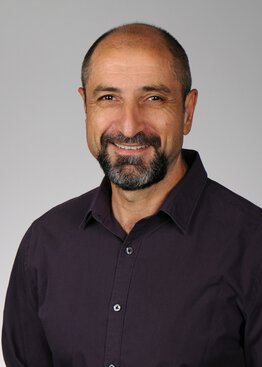
Eduardo N. Maldonado, DVM, Ph.D.
Associate Professor
Danyelle Townsend, Ph.D.
Interim Research Co-Chair, Department of Drug Discovery & Biomedical Sciences
Professor, College of Pharmacy
COBRE Internal Advisory Board
Kathleen T. Brady, M.D., Ph.D.
Distinguished University Professor
Associate Dean for Clinical Research
Alan Diehl, Ph.D.
Professor of Biochemistry and Molecular Biology
Endowed Chair Lipidomics & Pathology
Phil Howe, Ph.D.
Professor
Biochemistry and Molecular Biology
Endowed Chair for Clinical Oncology
Keith Kirkwood, D.D.S., Ph.D.
Professor
Associate Dean of Research
College of Dental Medicine
Igor Roninson, Ph.D.
Professor
SCCP Pharmaceutical and Biomedical Sciences -USC Campus
COBRE External Advisory Board
Kenneth D. Tew, Ph.D., DSc
Professor, Department of Pharmacology and Immunology
John C. West Endowed Chair of Cancer Research
My research is aimed at identifying drug discovery/development strategies with a platform of redox pathways. Earlier studies on resistance mechanisms to alkylating agents and anti-microtubule drugs led to prevalent focus on redox pathways, particularly those linked to glutathione and glutathione S-transferases (GST). For example, evidence that attachment of glutathione to cysteine residues influenced enzyme activity and laid the groundwork for more recent work on how drugs and/or stress influence post-translational S-glutathionylation and its associated cycle. These led to defining how redox mechanisms interconnect with essential signaling pathways such as how GSTP regulates Jun NH2-terminal kinase (JNK)-related signaling events and acts as a catalyst for the forward reaction of S-glutathionylation. Through clinical trials, we identified S-glutathionylated proteins as plasma biomarkers for responses to drugs and radiation. The redox proteome and its associated pathways therefore form a platform for discovery and development that continues to drive our present-day research.
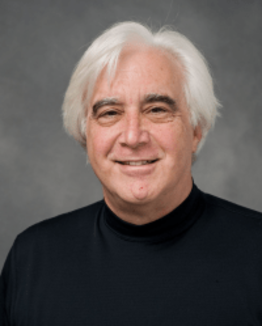
Franklin Berger, Ph.D.
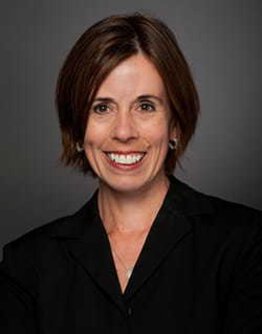
Yvonne Janssen-Heininger, Ph.D.

Dean P. Jones, Ph.D.