

Academic Leadership
Message from the Dean
The College of Pharmacy at the Medical University of South Carolina has a rich tradition of educating outstanding pharmacists for more than 100 years. Every day, we build on that foundation and break new ground in each area of our trifold mission: education, research, and patient care.
The Medical University of South Carolina uses the positioning statement "Changing What's Possible." In the College of Pharmacy, we focus on the future so that we can contribute to changing what's possible in the profession and practice of pharmacy.
- What will the pharmacy profession look like in 2030?
- How do we best prepare our students to be leaders in that future profession?
- What areas of research will emerge as breakthrough?
The answers to these questions evolve every day. In the College of Pharmacy, we recruit students and faculty with the intellectual curiosity and passionate drive to develop and shape the future of healthcare.
This website is designed as a resource about the MUSC College of Pharmacy and we welcome your comments and suggestions on how to improve it as you get to know us.
Even better, come in person for a visit on our campus in the beautiful and historic city of Charleston, consistently ranked as one of the world’s favorite destinations. Like so many of our students and alumni, you’ll be glad you did.
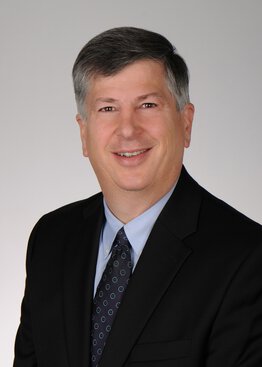
Philip D. Hall, Pharm.D., FCCP, BCPS, BCOP
Dean and Professor, College of Pharmacy
Philip D. Hall, Pharm.D., FCCP, is professor and dean of the College of Pharmacy at the Medical University of South Carolina (MUSC) in Charleston, South Carolina. He received his Bachelor of Science in Pharmacy from the University of Georgia and Doctor of Pharmacy from the Medical College of Virginia (now Virginia Commonwealth University). He served as an oncology pharmacy resident at the Audie L. Murphy Veterans Administration Medical Center in San Antonio, Texas, and completed a fellowship in cancer immunotherapy research at the University of Texas Health Science in San Antonio and the University of Texas College of Pharmacy.
As an academician, Dr. Hall’s passion and commitment to pharmacy education is evident by his work at MUSC over the past 32 years. Since joining the faculty, he has risen from assistant professor to tenured professor and held multiple administrative roles with both the MUSC College of Pharmacy and South Carolina College of Pharmacy (SCCP). As associate dean and subsequently MUSC campus dean within the SCCP, he played a significant leadership role in developing the joint SCCP curriculum and program assessment while overseeing admissions and mentoring students. In 2016, he formally became dean of the MUSC College of Pharmacy upon its re-accreditation as an independent institution.
Board certified in both pharmacotherapy and oncology pharmacy, Dr. Hall is an accomplished writer, presenter, and researcher with over 120 publications, book chapters, & presentations. He is an acclaimed instructor, receiving a number of classroom and bedside teaching awards including professor/teacher/preceptor of the year 10 times and is a Fellow in the American College of Clinical Pharmacy.
College Leadership
Under the leadership of Dean Philip Hall, the College of Pharmacy leadership team assists Dr. Hall in carrying out the strategic plan of the College as it relates to academics, experiential education, research, assessment, finance, philanthropy and communication.
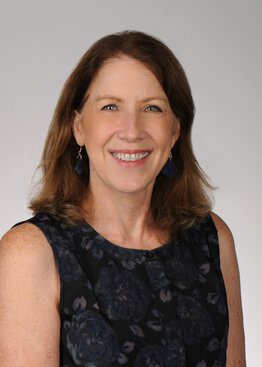
Katherine H. Chessman, Pharm.D., FPPA, FCCP, BCNSP
Chair & Professor, Clinical Pharmacy & Outcomes Sciences
Katherine ‘Kathy’ Hammond Chessman, Pharm.D., FPPA, FCCP, BCNSP, was born in Greenville, SC. She graduated Magna Cum Laude with a Bachelor of Science in Biology from Presbyterian College and was selected as the Presbyterian College Outstanding Young Alumnus in 1997. Dr. Chessman received both a Bachelor of Science in Pharmacy and a Doctor of Pharmacy degree (Pharm.D.) from the College of Pharmacy at the Medical University of South Carolina (MUSC). She then completed her Pediatric Pharmacotherapy Residency with an emphasis in nutrition, pharmacokinetics, critical care, and research at the University of Tennessee and Le Bonheur Children’s Medical Center in Memphis, TN.
After finishing her residency program, Dr. Chessman accepted a position as the MUSC University Medical Center’s first, full-time, hospital-based clinical pharmacy specialist working in the Division of Pediatric Surgery. She is now chair of the Department of Clinical Pharmacy and Outcome Sciences and Professor with tenure at the MUSC College of Pharmacy, a clinical pharmacist specializing in pediatric surgery and intestinal rehabilitation at the MUSC Shawn Jenkins Children’s Hospital and previously served as director of the MUSC Pediatric Pharmacy Residency Program for 28 years.
At MUSC, Dr. Chessman served as president of the Faculty Senate and received one of the three inaugural university-wide MUSC Outstanding Clinician Awards (2000). She recently received the MUSC Commitment to Excellence in Interprofessional Education and Collaborative Practice Award. She is board-certified in nutrition support, previously board-certified in pharmacotherapy, a charter member of the Phi Lambda Sigma Leadership Society Beta Chi Chapter, and a fellow of the American College of Clinical Pharmacy (ACCP) and the Pediatric Pharmacy Association. She served on and chaired the Board of Pharmaceutical Specialties (BPS) Nutrition Support Council and the BPS Pediatric Pharmacy Specialty Council.
Dr. Chessman was the senior author on one of the first publications to describe using an ethanol lock to successfully reduce central line-related infections in children on home parenteral nutrition. She was also a member of the editorial boards of the ACCP’s Pharmacotherapy Self-Assessment Program 5th, 6th, and 7th Editions. She has authored several book chapters in the areas of fluids, electrolytes, nutrition, and various pediatric topics.
Shannon Condon, MPA
Assistant Dean, Finance & Administration - College of Pharmacy
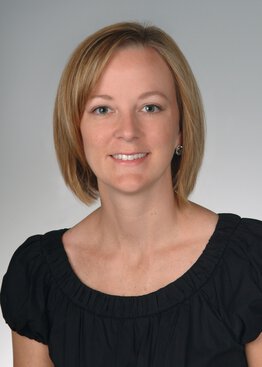
Shannon J. Drayton, Pharm.D.
Assistant Dean of Assessment & Accreditation, College of Pharmacy
Professor, Clinical Pharmacy & Outcome Sciences
Dr. Drayton received her Pharm.D. degree from the University of South Carolina, College of Pharmacy in 2000. She then completed pharmacy practice and psychiatry specialty residencies at The Johns Hopkins Hospital in 2002 and 2003.
Dr. Drayton currently serves as Assistant Dean for Assessment and Accreditation and Associate Professor in the College of Pharmacy, Medical University of South Carolina. Board certified in Psychiatric Pharmacy Practice, her primary area of interest and research is in schizophrenia and mood disorders.
As an academician she was awarded the honor of 2011 SCCP, MUSC Preceptor of the Year and nominated for the MUSC Foundation Clinical Teaching Excellence Award. She was the featured leader for MUSC in the February 2015 edition of Focused Leadership, sponsored by ARROW (Advancement, Recruitment, and Retention of Woman). Dr. Drayton was named 2015 MUSC Foundation Educator-Lecturer of the Year. She also received the 2019-20 Academia Preceptor of the Year Award and 2021-22 Mentor of the Year Award.
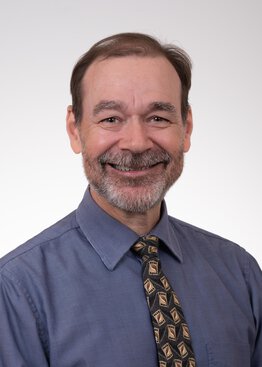
Roby Hill
Director of Communications, College of Pharmacy
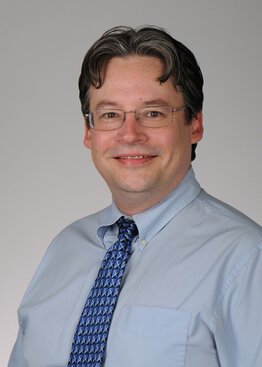
Yuri Peterson, Ph.D.
Director, Drug Discovery Core
Director, Bioenergetics Profiling Core
Interim Education Co-Chair, Drug Discovery & Biomedical Sciences
Professor, Drug Discovery & Biomedical Sciences
My research focus is to employ in vitro, cell-based, and in silico approaches to quantitate protein and small molecule functionality as a bridge between chemical biology and pathobiology. My training and background is in cell and molecular pharmacology, cancer biology and informatics, chemical biology, and biotechnology.
My expertise in bioassays, microscopy, high-throughput screening, protein-ligand and protein-protein interactions and cheminformatics have contributed in a number of biologic signaling systems.
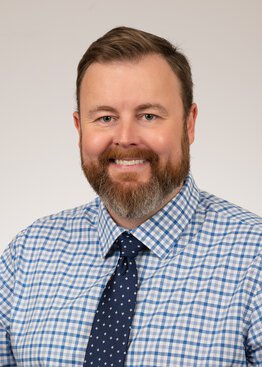
Shane Ryan, Ph.D.
Assistant Dean, Curriculum - College of Pharmacy
Assistant Professor, College of Pharmacy
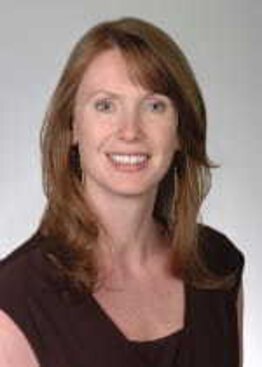
Danyelle Townsend, Ph.D.
Interim Research Co-Chair, Drug Discovery & Biomedical Sciences - College of Pharmacy
Professor, College of Pharmacy
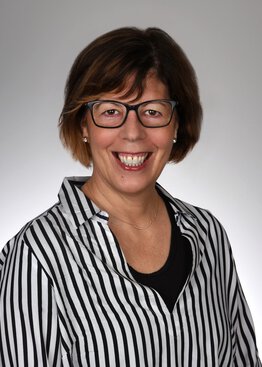
Elizabeth D. Weed, Pharm.D.
Director, Experiential Education
Assistant Professor, Clinical Pharmacy & Outcome Sciences
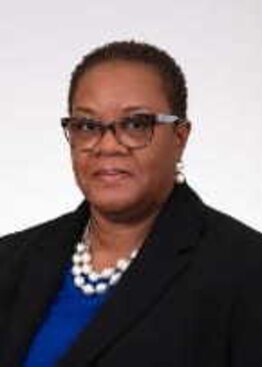
Marva Williams-Lowe, Pharm.D., MHA, FACHE
Chief Pharmacy Officer, MUSC Health
Associate Dean, Clinical Affairs - College of Pharmacy
Pharmacy ICCE, MUSC Health
Dr. Marva Williams-Lowe was appointed the Chief Pharmacy Officer for MUSC Health and Associate Dean, Clinical Affairs in the MUSC College of Pharmacy, the college and the Medical University of South Carolina Hospital Authority (MUHA) in May 2022. Dr. Williams-Lowe oversees all pharmacy services in the MUSC Health System. She also serves as Associate Dean for Clinical Affairs in the College of Pharmacy; many of the college’s faculty have appointments in MUHA pharmacy services, many students complete rotations there, and the units collaborate on MUSC’s award-winning residency program.
Dr. Williams-Lowe received her Bachelor of Science in Pharmacy and her Doctor of Pharmacy degree from Massachusetts College of Pharmacy in Boston. She completed a management certificate program at Boston University and a Master of Health Administration at Ohio University. She also recently completed the American Society of Health-system Pharmacists (ASHP) Certified Pharmacy Executive Leader (CPEL) program. She is a 2017 Carol Emmott Fellow and in 2021, Dr. Williams-Lowe was named a Fellow of the American College of Healthcare Executives.
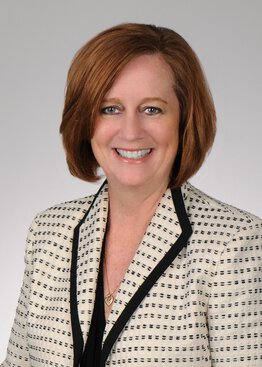
Cathy Worrall, Pharm.D.
Associate Dean of Admissions & Student Affairs, College of Pharmacy
Professor, Clinical Pharmacy & Outcome Sciences
Office of the Dean
Philip Hall
Dean
Caroline Newsome
Administrative Coordinator
newsomec@musc.edu
Phone: 843-792-8450
Admissions and Student Affairs
Cathy Worrall, Pharm.D.
Associate Dean for Student AffairsProfessor
Jenny Bagg
Admissions Manager
Alex Houck
Digital Marketing Manager
Faye Ratliff
Student Services Manager
Morgan Wing
Student Recruitment Coordinator
Assessment & Accreditation
Shannon J. Drayton, Pharm.D.
Assistant Dean for Assessment & Accreditation
Rashuad Wilson
Database Administrator
Communications
Roby Hill
Director of Communications
Curriculum
Shane Ryan, Ph.D.
Assistant Dean for Curriculum
Lindsey Fuller
Educational Technology Consultant
Rachel Page
Curriculum Coordinator
Experiential Education
Elizabeth Weed, Pharm.D.
Director, Experiential Education
Celia M.F. Dennison
Experiential Education Coordinator
Finance & Administration
Shannon Condon, MPA
Assistant Dean for Finance & Administration
Joseph W. Addison
Administrative Manager
Information Technology
Shane Petry
Information Technology Manager
Department of Clinical Pharmacy & Outcomes Sciences
Katherine Chessman, Pharm.D.
Chair and Professor
Chair, Strategic Planning Committee
Kelly K. Teague
Administrative Coordinator
Department of Drug Discovery & Biomedical Sciences
Yuri Peterson, Ph.D.
Co-Chair and Professor
Danyelle Townsend, Ph.D.
Co-Chair and Professor
Christine Nisbet
Director of Research Administration and Finance
Brandy-Lee O'Hea
Administrative Assistant
Volunteer Leadership Boards
The MUSC College of Pharmacy Dean’s Advisory Council exists to promote and improve the MUSC College of Pharmacy. The Council shall assist the dean in advancing the quality and impact of the MUSC Pharmacy experience by providing insight on emerging trends in health care, the pharmaceutical industry and related fields that will directly impact pharmacy education. Council members will also serve as ambassadors, advocates, and supporters of the College and its programs.
The College of Pharmacy Alumni Association is one of six college alumni groups which makes up the overarching MUSC Alumni Association. While the MUSC Alumni Association represents all MUSC alumni, the programs, activities, dues and benefits are designed specifically for each college by their respective alumni groups in order to better serve each health discipline and their alumni.