

Doctor of Pharmacy
book_2 Learning Mode: Residential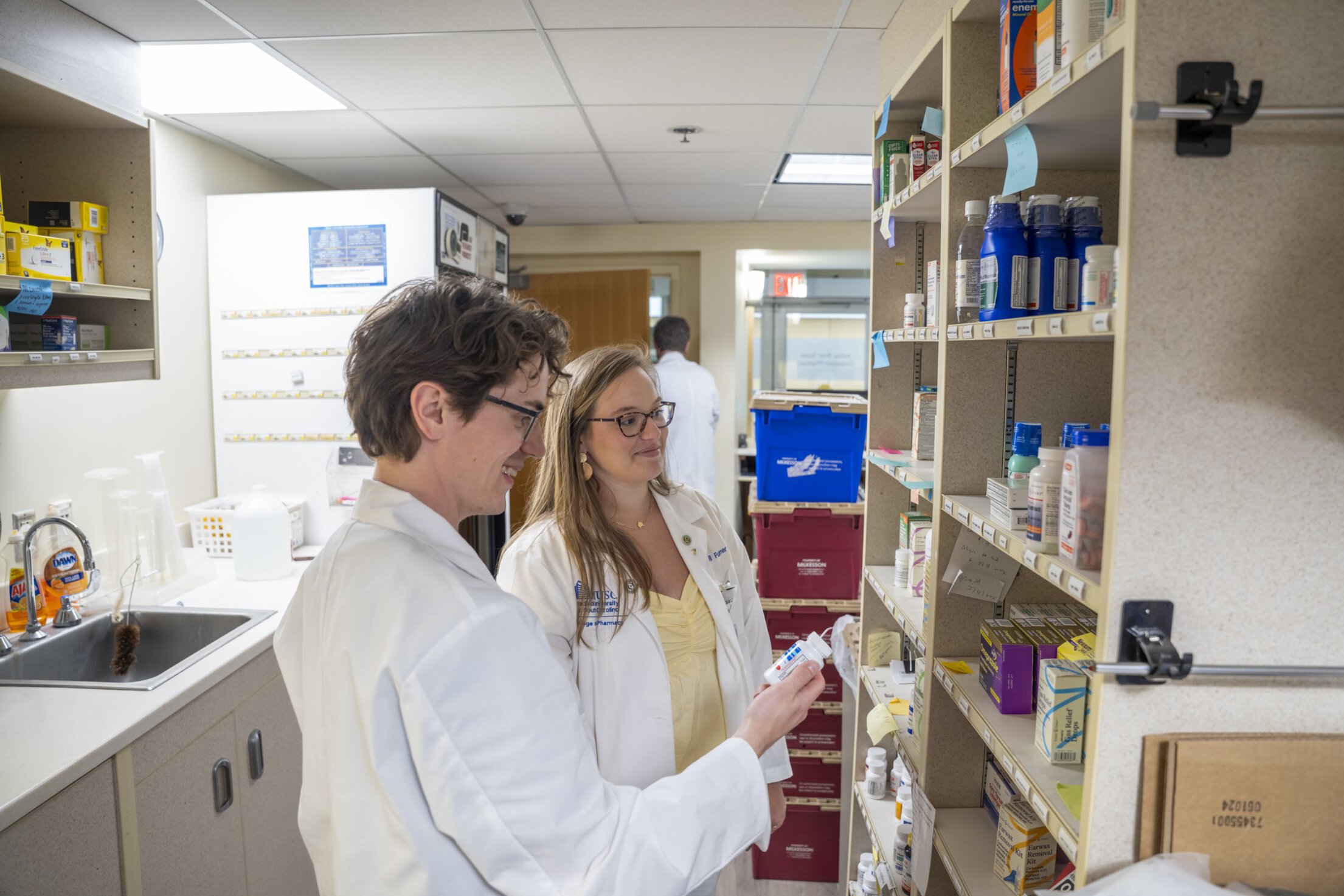
Program Overview
The Doctor of Pharmacy equips future pharmacists to deliver safe, evidence-informed care and lead progress across practice settings. You learn in modern classrooms and labs, then apply knowledge through early immersion at MUSC Health and community sites. Faculty mentors guide team-based learning, simulation, and patient-centered projects that build sound judgment and clear communication. Interprofessional experiences strengthen collaboration. Advanced rotations expand your network and deepen clinical confidence. Focused preparation supports licensure readiness and opens doors to residencies, clinical and community roles, industry, and service to South Carolina.
Application Timeline
Opens: July 9, 2026
Final deadline: May 1, 2027
Ranked
#1
pharmacy school in South Carolina
U.S. News & World Report
87%
post-graduation residency match rate
American Society of Health-System Pharmacists
86%
NAPLEX first-time pass rate
Exceeding national average of 77.5%. National Association of Boards of Pharmacy, 2025.
Since
1881
respected leader in pharmacy education
Success you can measure
From national recognition to student satisfaction and real-world results, these numbers reflect the value and impact waiting for you in our program.
Learning Experience
Engage in structured introductory and advanced practice rotations complemented by collaborative coursework and cutting-edge experiential labs.
Inside the Program
The Doctor of Pharmacy prepares you to deliver safe, evidence informed care and lead progress across pharmacy practice settings. In this residential program, you will build clinical knowledge, sound judgment, and strong communication skills through modern classroom instruction, experiential labs, team based learning, and early immersion in patient care. You will apply what you learn in both MUSC Health and community settings while developing the confidence to serve patients and collaborate across the health care team.
Skills you'll gain
Through coursework, simulation, and structured practice experiences, you’ll learn to apply pharmacologic and therapeutic knowledge in real clinical situations, support medication safety, and make patient centered decisions across a range of care environments. You will also strengthen your ability to communicate clearly, work effectively in interprofessional settings, and translate evidence into practice as you prepare for licensure and long term professional growth.
Support for your success
You’ll learn in an environment designed to help you grow from student to practice ready pharmacist. Faculty mentors guide your development through collaborative coursework, patient centered projects, and experiential learning that begins early in the curriculum. Introductory practice experiences in community and hospital settings build essential skills, while advanced practice experiences deepen your clinical expertise across areas such as acute care, ambulatory care, community pharmacy, and hospital pharmacy. Research electives, mentored scholarly work, and opportunities to present at conferences further expand your preparation and professional network.
Who should apply
This program is well suited for students who want to become pharmacists who can improve patient outcomes, adapt across evolving practice settings, and contribute meaningfully to the future of health care. It is a strong fit for applicants who value hands on learning, academic rigor, and close mentorship and who want preparation that can lead to residencies, clinical and community practice, research, industry, and service focused careers.
Curriculum
The Doctor of Pharmacy curriculum consists of 139-159 credits and is designed to be completed in 11 semesters. Below is the standard plan of study outlining the structured progression of coursework as you advance through the program.
Year 1, Fall
| Course ID | Course Title | Credits |
|---|---|---|
| COP### | Helix+ Curriculum Primer | 3 |
| COP### | Introduction to Pharmacy & Person-Centered Care | 3 |
| COP### | Population Health & Wellness Promotion | 2 |
| COP### | Pharmacy Foundations I | 6 |
| COP### | Pharmacy Practice Skills Lab I | 1 |
| COP### | Personal & Professional Development I | 1 |
| Semester Total | 16 | |
Year 1, Spring
| Course ID | Course Title | Credits |
|---|---|---|
| COP### | Pharmacy Foundations II | 3 |
| COP### | Problem-Solving & Evidence-Based Practice | 2 |
| COP### | Pharmacy Practice & Patient Care I | 7 |
| COP### | Pharmacy Practice Skills Lab II | 1 |
| COP### | Personal & Professional Development II | 1 |
| IP711 | IP Foundations & TeamSTEPPS | 1 |
| IP### | IP Concentration Course of Choice | 1 |
| Semester Total | 16 | |
Year 1, Summer
| Course ID | Course Title | Credits |
|---|---|---|
| COP650, COP651 |
Introductory Pharmacy Practice Experience Community, or Advanced Introductory Pharmacy Practice Experience I: Community |
4 |
| Semester Total | 4 | |
Year 2, Fall
| Course ID | Course Title | Credits |
|---|---|---|
| COP### | Pharmacy Practice & Patient Care II | 12 |
| COP### | Pharmacy Practice Skills Lab III | 1 |
| COP### | Personal & Professional Development III | 1 |
| ELEC | Elective* | 2 |
| Semester Total | 16 | |
Year 2, Spring
| Course ID | Course Title | Credits |
|---|---|---|
| COP### | Pharmacy Practice & Patient Care III | 10 |
| COP### | Pharmacy Practice Skills Lab IV | 1 |
| COP### | Personal & Professional Development IV | 1 |
| ELEC | Elective* | 2 |
| IP### | IP Elective Course of Choice* | 2 |
| Semester Total | 16 | |
Year 2, Summer
| Course ID | Course Title | Credits |
|---|---|---|
| COP750, COP753 |
Introductory Pharmacy Practice Experience Hospital, or Advanced Hospital Introductory Pharmacy Practice Experience |
4 |
| Semester Total | 4 | |
Year 3, Fall
| Course ID | Course Title | Credits |
|---|---|---|
| COP### | Pharmacy Practice & Patient Care IV | 12 |
| COP### | Pharmacy Practice Skills Lab V | 1 |
| COP### | Personal & Professional Development V | 1 |
| ELEC | Elective* | 2 |
| Semester Total | 16 | |
Year 3, Spring
| Course ID | Course Title | Credits |
|---|---|---|
| COP### | Pharmacy Practice Management & Law | 5 |
| COP### | Pharmacy Practice & Patient Care V | 7 |
| COP### | Pharmacy Practice Skills Lab VI | 1 |
| COP### | Personal & Professional Development VI | 1 |
| ELEC | Elective* | 2 |
| Semester Total | 16 | |
Year 3, Summer
| Course ID | Course Title | Credits |
|---|---|---|
| COP990 | Pharmacy Board Preparation I | 1 |
| COP### | Advanced Pharmacy Practice Experience | 8-12 |
| Semester Total | 9-13 | |
Year 4, Fall
| Course ID | Course Title | Credits |
|---|---|---|
| COP991 | Pharmacy Board Preparation II | 1 |
| COP### | Advanced Pharmacy Practice Experience | 12-20 |
| Semester Total | 13-21 | |
Year 4, Spring
| Course ID | Course Title | Credits |
|---|---|---|
| COP992 | Pharmacy Board Preparation III | 1 |
| COP### | Advanced Pharmacy Practice Experience | 12-20 |
| Semester Total | 13-21 | |
| Curriculum Total | 139-159 | |
| Pre-Pharmacy Total | 63 | |
| Required Total | 202-222 | |
* By the end of the third year, students must complete 10 hours of electives, which typically ranges from one to three credit hours.
- Minimum 320 hours of Introductory Pharmacy Practice Experience (IPPE) required by the college (300 hours is required by ACPE) will be satisfied by two four-credit (four-week) externships in the summers of Year 1 and Year 2.
- Minimum 1,440 hours of Advanced Pharmacy Practice Experience (APPE) (as required by ACPE) will be satisfied by nine four-credit (one-month) externships in Year 4. Courses include two acute medicine, one ambulatory care, one community, one health-system, and four electives.
- COP652 and COP653 in Year 2, Fall and Spring if COP650 or COP651 are not completed in Year 1, Summer.
- COP751 and COP752 in Year 2, Fall and Spring if COP750 or COP753 are not completed in Year 2, Summer.
Clinical Education
Students have outstanding opportunities for clinical education uniquely available in an academic health system with a true statewide presence, supplemented by rotation sites around the country and world. Experiential education represents approximately one-third of the Doctor of Pharmacy (PharmD) curriculum, providing students with immersive, hands-on learning that complements their didactic coursework.
Early in the program, students participate in Introductory Pharmacy Practice Experiences (IPPEs) in both community and hospital pharmacy settings. These experiences help students build essential skills in patient care, medication safety, and pharmacy operations. For students who enter the program with prior experience in community or hospital pharmacy management, IPPEs can be advanced to further develop leadership and administrative competencies. Additionally, IPPEs may be offered as longitudinal experiences during the academic year, allowing students to engage more deeply with patients and practice sites over time.
In the fourth year, students complete Advanced Pharmacy Practice Experiences (APPEs), which are designed to refine clinical judgment and professional expertise across a broad spectrum of practice areas. Required APPEs include rotations in acute care (such as internal medicine, pediatrics, oncology, and infectious disease), ambulatory care, community pharmacy, and hospital pharmacy. Students also have access to a wide variety of elective APPEs, including opportunities in veterinary pharmacy, the pharmaceutical industry, pharmacy management, and academia.
For those seeking a global perspective, APPEs can be completed abroad, offering exposure to international healthcare systems and practices. This robust experiential framework ensures that PharmD graduates are well-prepared to enter diverse pharmacy careers with confidence and competence.
Research Opportunities
Pharm.D. students at the MUSC College of Pharmacy benefit from a robust array of research opportunities that enhance their academic journey and prepare them for diverse and dynamic career pathways. During the first three years of the program, students can enroll in research electives that provide hands-on experience in basic science laboratories (“wet labs”) and/or participate in clinical research initiatives within the MUSC Health System. These experiences offer critical exposure to the scientific method, data analysis and interpretation, and the translation of research findings into clinical application.
In the fourth year, students can continue their research engagement through Advanced Pharmacy Practice Experience (APPE) research electives, which facilitate deeper involvement in ongoing investigations across clinical, translational, and/or pharmaceutical sciences. Whether contributing to studies on drug efficacy, patient outcomes, or innovative therapeutic approaches, students gain an immersive, hands-on and mentored experience that sharpens their analytical thinking and supports their professional growth. Throughout these experiences, students have multiple opportunities to present their findings at local, national, and international conferences, and to contribute to peer-reviewed publications in high-impact scientific journals. These research opportunities not only strengthen students’ applications for residencies, fellowships, and/or careers within clinical practice, academia, and the pharmaceutical industry but also cultivate a lifelong commitment to evidence-based clinical practice, innovation, and scholarly inquiry in the field of pharmacy.
Engage with our community
Participate in vibrant campus events, community outreach, and professional networking within the College and across MUSC Health.
College of Graduate Studies
MUSC Perry V. Halushka Research Day 2026
- calendar_today Friday, Nov. 6, 2026
Your path to admission
Discover key information about application steps and required documentation to help you move forward with confidence.
Eligibility Requirements
Technical Standards
To ensure all students can meet the demands of a rigorous professional curriculum and deliver safe, effective care in diverse clinical settings, there are key expectations related to academic and professional performance. For a detailed description of these expectations, view the College of Pharmacy Technical Standards page.
Minimum Abilities
At MUSC, we actively support all students to ensure their success in both academic and clinical settings. To support this goal, the university outlines the essential qualities and functional abilities required for participation in its educational programs. These include a range of observational, communication, motor, intellectual and behavioral skills necessary for safe and effective practice.
Prerequisites
Course substitutions will be considered on a case-by-case basis and for select prerequisites. Science courses must be designated for science majors.
| Prerequisite Coursework | Credits |
|---|---|
| General Chemistry | 8 |
| Organic Chemistry | 8 |
| Biology Two general biology courses or a combination of Biochemistry, Cell Biology, Botany, Genetics, or Zoology |
8 |
| Anatomy & Physiology May include a three-hour course in anatomy and a three-hour course in physiology or a six-hour anatomy integrated with physiology courses; six hours of comparative vertebrate anatomy and animal physiology will be accepted; six hours must come from two lecture courses. |
6 |
| Microbiology Microbiology lab is not required. |
3 |
| Physics Algebra- or calculus-based physics will be accepted. A physics lab is not required. |
3 |
| Calculus General calculus and calculus for business or life sciences majors will be accepted. |
3 |
| Statistics Introductory statistics or a statistics for life sciences, business, and mathematics majors will be accepted. |
3 |
| English Composition | 3 |
| English Composition/Communication Additional courses that meet this requirement include English Literature, Speech, or other linguistics courses. |
3 |
| Social Sciences Courses include Anthropology, Child Development, Economics, Geography, History, Linguistics, Management, Political Science, Psychology, Social Work, Sociology, and Women’s Studies. |
6 |
| Electives May be obtained from any college-level course. Additional training in biochemistry, English/communication, mathematics, and science are recommended to prepare for success in the Pharm.D. curriculum. |
6 |
Application Process
The following process outlines how and when your materials will be reviewed.
- Submit the American Association of Colleges of Pharmacy (AACP) PharmCAS application as early as possible. After fee payment and official transcripts are received, PharmCAS processing may take up to 10 business days. PharmCAS will verify the accuracy of your application materials, compare your original transcripts to the self-reported course information on your application, calculate your PharmCAS GPAs, and release your application to each of your designated pharmacy programs. The application must be verified by the application deadline to be eligible for review.
- Complete the MUSC Supplemental Application.
- Once both applications are complete and the AACP PharmCAS application has been verified, your application will be reviewed. Selected applicants will be contacted for an interview.
As a state-assisted institution, preference will be given to in-state applicants. In-state applicants are defined as South Carolina residents and any non-South Carolina residents attending a South Carolina college or university. In-state status as defined here only applies to the admission process. The MUSC College of Pharmacy considers a limited number of international applicants to the Doctor of Pharmacy program who have completed at least a 5-year Bachelor of Science in Pharmacy degree and when there is a written agreement between the MUSC College of Pharmacy and an international sponsoring university, government, or agency (International Partnership Program).
Application Requirements
- AACP PharmCAS Application: The following materials must be submitted through the AACP PharmCAS application. You do not need to send any of the following information directly to MUSC.
- Completed application
- Official transcripts from all institutions attended: Applicants must submit official transcripts directly to PharmCAS from all colleges and universities you have attended. The institution must be entered in the Colleges Attended section before the transcript can be matched to your PharmCAS application. Electronic transcripts are preferred. PharmCAS only accepts official electronic transcripts through Parchment and National Student Clearinghouse. Please visit the PharmCAS website to learn more about requesting transcripts. Applicants requesting paper transcripts must enter the college(s) attended and click the “Download Transcript Request Form” button. Each PDF form is unique to you and that particular college or university. You will need Adobe Acrobat Reader to view and print the file.After completing your fall coursework, request that your institution send an official transcript to PharmCAS as soon as grades are available and update the PharmCAS “Academic Update” section accordingly.
- Letters of Recommendation: A minimum of three individual letters of recommendation are required.
- After You Submit Checklist: After submitting your PharmCAS application, review the After You Submit checklist.
- MUSC Supplemental Application: All applicants must submit the MUSC Supplemental Application.
International Applicants
International applicants must satisfy all requirements listed in the Application Requirements section. Additionally, all international applicants must:
- Complete at least 42 of the 60 required prerequisite credits, including all English language courses, in person at a U.S.-accredited college or university. Online coursework will not be accepted.
- Submit a minimum score of 77 on the internet-based Test of English as a Foreign Language (TOEFL) exam. IELTS scores are not accepted.
- Submit a course-by-course transcript evaluation through PharmCAS using World Education Services for all coursework completed outside the United States
- Be eligible to receive a Pharmacy Intern Certificate under South Carolina Board of Pharmacy requirementsProvide official documentation demonstrating sufficient financial support to attend the MUSC College of Pharmacy for one academic year in order to facilitate issuance of the Form I-20 for F-1 or J-1 visa processing
- Assume responsibility for obtaining the appropriate student visa if offered admissionAcknowledge that eligibility for federal financial aid through FAFSA may not be available
- Submit a completed application by the end of January to allow sufficient time for processing and ensure that all required documentation is finalized with the Center for Global Health by the end of April for fall enrollment
MUSC welcomes international applicants and offers tailored guidance to support you throughout the admissions process.
Why MUSC was the right choice
Hear from students about MUSC's supportive environment, strong mentorship, and opportunities to grow as patient advocates

Funding your path forward
Explore flexible funding support, scholarship options, and financial guidance to help you pursue your Pharm.D. with confidence.
Tuition & Fees
Tuition and fees listed below apply to the 2026-27 academic year and are per semester unless otherwise noted.
| Fee Type | Fee |
|---|---|
| Application Fee (per application) | - |
| Matriculation Fee (upon applicant acceptance) | $485 |
Full-Time
| Tuition/Fee Type | Fall | Spring | Summer | Annual |
|---|---|---|---|---|
| In-State Tuition* | $13,413 | $13,413 | - | - |
| In-State Tuition** | $11,691 | $11,691 | - | - |
| Out-of-State Tuition* | $13,413 | $13,413 | - | - |
| Out-of-State Tuition** | $11,691 | $11,691 | - | - |
| International Tuition* | $20,429 | $20,429 | - | - |
| International Tuition** | $17,855 | $17,855 | - | - |
| International Student Fee | $1,250 | $1,250 | - | - |
* first-, second-, and third-year students only
** fourth-year students only
Part-Time
| Tuition/Fee Type | Fall | Spring | Summer | Annual |
|---|---|---|---|---|
| In-State Tuition (per credit hour) | $973 | $973 | - | - |
| Out-of-State Tuition (per credit hour) | $973 | $973 | - | - |
| International Tuition (per credit hour) | $1,486 | $1,486 | - | - |
| International Student Fee | $1,250 | $1,250 | - | - |
| Part-Time Student Fee | $945 | $945 | - | - |
Cost of Attendance
The Cost of Attendance, or COA, estimates the total educational expenses for an enrollment period. The information below reflects the 2026-27 academic year. The COA includes direct costs, such as tuition and fees, billed by the university, as well as indirect costs you may need to plan for, including housing, food, transportation, books and other personal expenses.
The COA helps determine the maximum amount a student may borrow in an academic year and supports funding-related determinations, such as grants, scholarships, loans and others.
Your actual expenses may be lower than the COA, especially with careful budgeting. MUSC's Office of Student Financial Literacy can help you create a budget that supports your education, personal needs and long-term financial goals.
| Item | Year 1 | Year 2 | Year 3 | Year 4 | Est. Total |
|---|---|---|---|---|---|
| Direct Costs | |||||
| In-State Tuition | $25,965 | $25,965 | $25,965 | $25,965 | $103,860 |
| Out-of-State Tuition | $25,965 | $25,965 | $25,965 | $25,965 | $103,860 |
| Health Insurance | $4,000 | $4,000 | $4,000 | $4,000 | $16,000 |
| Fees | $300 | $300 | $300 | $300 | $1,200 |
| In-State Total Direct Costs | $30,265 | $30,265 | $30,265 | $30,265 | $121,060 |
| Out-of-State Total Direct Costs | $30,265 | $30,265 | $30,265 | $30,265 | $121,060 |
| Indirect Costs | |||||
| Living Expenses (Food and Housing) | $18,096 | $18,096 | $18,096 | $18,096 | $72,384 |
| Miscellaneous Personal Expenses | $1,920 | $1,920 | $1,920 | $1,920 | $7,680 |
| Transportation | $2,160 | $2,160 | $2,160 | $2,160 | $8,640 |
| Books, Course Materials, Supplies and Equipment | $4,285 | $2,560 | $4,085 | $7,210 | $18,140 |
| Total Indirect Costs | $26,461 | $24,736 | $26,261 | $29,386 | $106,844 |
| Estimated Total Costs | |||||
| In-State Total Costs | $56,726 | $55,001 | $56,526 | $59,651 | $227,904 |
| Out-of-State Total Costs | $56,726 | $55,001 | $56,526 | $59,651 | $227,904 |
Scholarships & Aid
MUSC offers scholarships for which you may be eligible. Some are awarded based on academic achievement; others are awarded based on community service, for example. However, the majority of scholarships awarded at MUSC are based on financial need. This means that these scholarships are only awarded to students who need some financial assistance to cover the cost of tuition and fees. If you would like to be considered for a financial need-based scholarship, you must have an up-to-date Free Application for Federal Student Aid (FAFSA) on file. Make sure you list the Medical University of South Carolina on your FAFSA form, along with MUSC's code: 003438. We encourage you to submit your FAFSA as early as possible. It is recommended to submit your FAFSA in January if you plan to enroll in the fall.
Career Outlook
Student Outcome Data
Benefit from outcomes-driven education with high employment rates, exam success, and readiness for impactful pharmacy careers.
Graduation Rates
The Class of 2025 had a graduation rate of 80%.
Employment Rates
The Class of 2024 had 95% employment within six months.
Program Faculty
Learn from accomplished educators who guide students through the curriculum with academic and professional expertise.
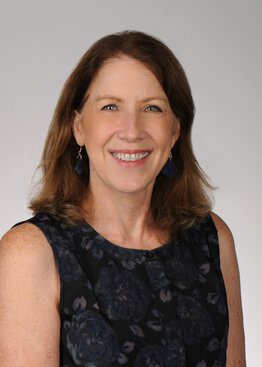
Katherine H. Chessman, Pharm.D., FPPA, FCCP, BCNSP
Chair & Professor, Clinical Pharmacy & Outcomes Sciences
Katherine ‘Kathy’ Hammond Chessman, Pharm.D., FPPA, FCCP, BCNSP, was born in Greenville, SC. She graduated Magna Cum Laude with a Bachelor of Science in Biology from Presbyterian College and was selected as the Presbyterian College Outstanding Young Alumnus in 1997. Dr. Chessman received both a Bachelor of Science in Pharmacy and a Doctor of Pharmacy degree (Pharm.D.) from the College of Pharmacy at the Medical University of South Carolina (MUSC). She then completed her Pediatric Pharmacotherapy Residency with an emphasis in nutrition, pharmacokinetics, critical care, and research at the University of Tennessee and Le Bonheur Children’s Medical Center in Memphis, TN.
After finishing her residency program, Dr. Chessman accepted a position as the MUSC University Medical Center’s first, full-time, hospital-based clinical pharmacy specialist working in the Division of Pediatric Surgery. She is now chair of the Department of Clinical Pharmacy and Outcome Sciences and Professor with tenure at the MUSC College of Pharmacy, a clinical pharmacist specializing in pediatric surgery and intestinal rehabilitation at the MUSC Shawn Jenkins Children’s Hospital and previously served as director of the MUSC Pediatric Pharmacy Residency Program for 28 years.
At MUSC, Dr. Chessman served as president of the Faculty Senate and received one of the three inaugural university-wide MUSC Outstanding Clinician Awards (2000). She recently received the MUSC Commitment to Excellence in Interprofessional Education and Collaborative Practice Award. She is board-certified in nutrition support, previously board-certified in pharmacotherapy, a charter member of the Phi Lambda Sigma Leadership Society Beta Chi Chapter, and a fellow of the American College of Clinical Pharmacy (ACCP) and the Pediatric Pharmacy Association. She served on and chaired the Board of Pharmaceutical Specialties (BPS) Nutrition Support Council and the BPS Pediatric Pharmacy Specialty Council.
Dr. Chessman was the senior author on one of the first publications to describe using an ethanol lock to successfully reduce central line-related infections in children on home parenteral nutrition. She was also a member of the editorial boards of the ACCP’s Pharmacotherapy Self-Assessment Program 5th, 6th, and 7th Editions. She has authored several book chapters in the areas of fluids, electrolytes, nutrition, and various pediatric topics.
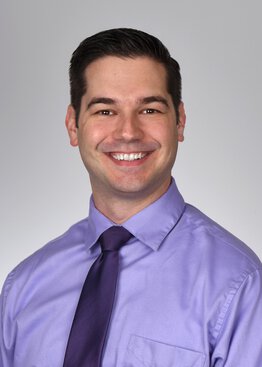
Anthony DeClue, Pharm.D.
Associate Professor, Clinical Pharmacy & Outcomes Sciences
Frequently Asked Questions
No. A bachelor’s degree is not required for admission to our program. For more information, review the Application Requirements.
Yes. Most students apply while they are still completing their pre-pharmacy coursework—often in the fall of their senior year if pursuing a bachelor’s degree. The only requirement is that all prerequisite courses be finished before starting the Pharm.D. program.
We do not offer prerequisite coursework at MUSC, but you can complete them at any accredited institution of your choice. Our students fulfill these requirements through a variety of pathways, including four-year universities, community colleges, and technical schools.
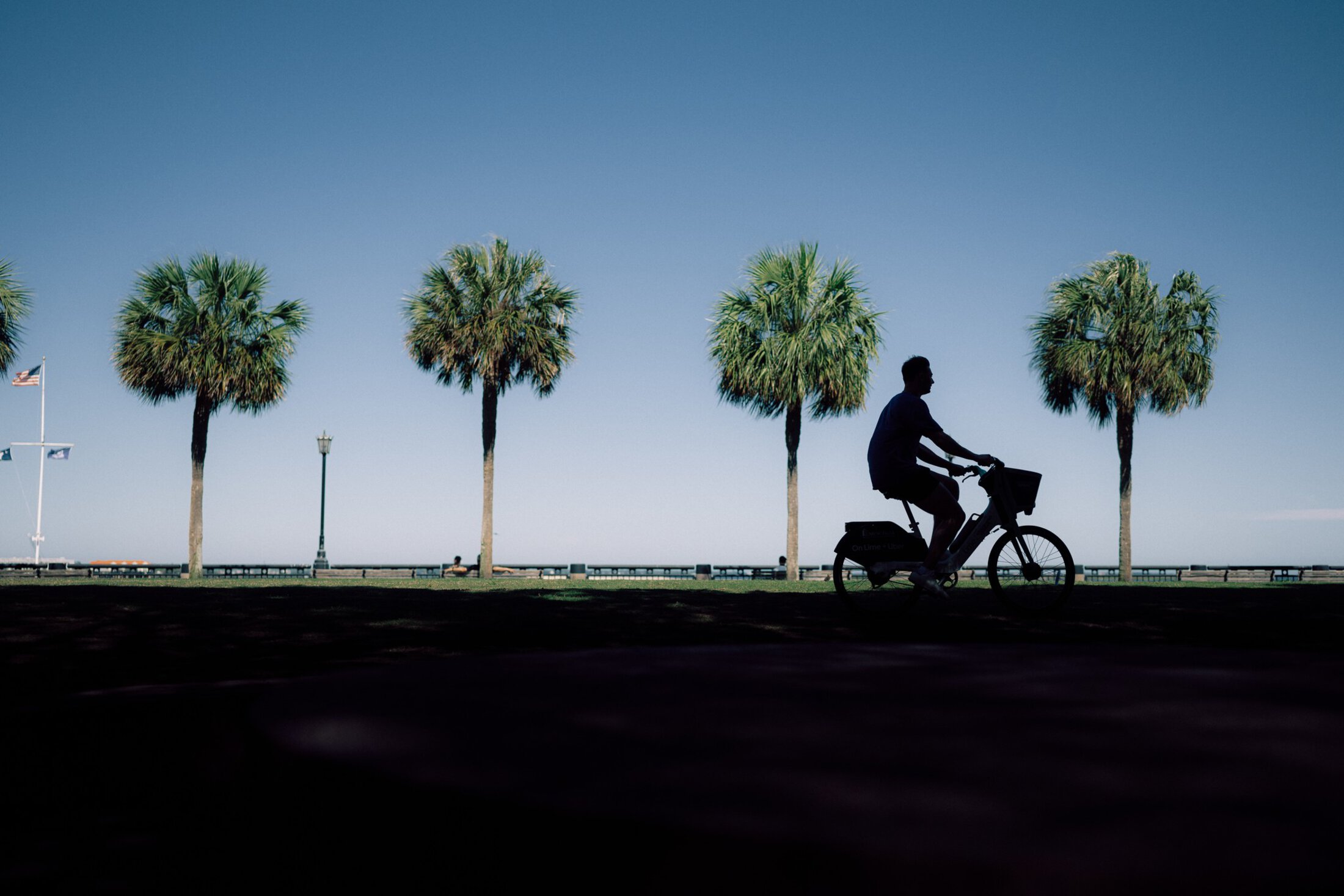
Living in Charleston
Charleston offers a unique blend of coastal beauty and modern convenience. With top-rated dining, scenic waterfronts and endless outdoor activities, the city offers an unmatched quality of life for residents, striking a balance between work and leisure.
Guided by purpose & principles
Learn in a program shaped by a culture of excellence, compassion, evidence-based practice, and collaborative leadership.
Objectives
The MUSC pharmacy curriculum’s primary objective is to ensure postgraduate student success. With direct patient care opportunities throughout a statewide academic health system, and an interprofessionalism program befitting MUSC’s long track record of leadership in the area, MUSC pharmacy graduates are immersed in direct patient care while collaborating as part of an interprofessional health care team. Their experience makes them highly valuable in a range of settings, including postgraduate training, which ensures their employability.
Competencies
Upon completion of the Pharm.D. program, graduates should be able to:
- Seek, analyze, integrate, and apply foundational knowledge of medications and pharmacy practice (biomedical, pharmaceutical; social, behavioral, administrative; and clinical sciences; drug classes; and digital health) [Knowledge, Scientific Thinking]
- Use problem solving and critical thinking skills, along with innovative mindset, to address challenges and to promote positive change [Skills, 2.1 Problem-solving Process]
- Actively engage, listen, and communicate verbally, non-verbally, and in writing when interacting with or educating an individual, group, or organization [Skills, 2.2 Communications]
- Mitigate health disparities by considering, recognizing, and navigating cultural and structural factors (e.g., social determinants of health, diversity, equity, inclusion, and accessibility) to improve access and health outcomes [Skills, 2.3 Cultural and Structural Humility]
- Provide whole person care to individuals as the medication specialist using the Pharmacists’ Patient Care Process [Skills, 2.4 Person-centered Care]
- Promote the best interests of patient and/or the pharmacy profession within healthcare settings and at the community, state, or national level [Skills, 2.5 Advocacy]
- Optimize patient healthcare outcomes using human, financial, technological, and physical resources to improve the safety, efficacy, and environmental impact of medication use systems [Skills, 2.6 Medication-use Process Stewardship]
- Actively engage and contribute as a healthcare team member by demonstrating core interprofessional competencies [Skills, 2.7 Interprofessional Collaboration]
- Assess factors that influence the health and wellness of a population and develop strategies to address those factors [Skills, 2.8 Population Health and Wellness]
- Demonstrate the ability to influence and support the achievement of shared goals on a team, regardless of one’s role [Skills, 2.9 Leadership]
- Examine, reflect on, and address personal and professional attributes (e.g., knowledge, metacognition, skills, abilities, beliefs, biases, motivation, help-seeking strategies, and emotional intelligence) that could enhance or limit growth, development, and professional identity formation [Attitudes, 3.1 Self-awareness]
- Exhibit attitudes and behaviors that embody a commitment to building and maintaining trust with patients, colleagues, other health care professionals, and society [Attitudes, 3.2 Professionalism]
Vision
To improve lives through innovative education, research, and patient care.
Mission
To lead pharmacy education, scientific discovery, and patient care in South Carolina and globally.
Values
At the core of our program, we are guided by a commitment to the following values that drive our mission:
- Compassion: We act with kindness, empathy and dignity.
- Collaboration: We achieve common goals through teamwork and partnerships.
- Innovation: We drive transformation by embracing new ideas, discoveries and practices.
- Integrity: We do the right thing and commit to accountability in words, actions and use of resources.
- Respect: We value everyone and their many perspectives to build trust and a sense of belonging.
Advisory Board
The Advisory Council is made up of accomplished professionals who are willing to donate their time, talents and resources to support the Dean in his efforts to enhance the quality and impact of the MUSC Pharmacy experience for both internal and external audiences.
Membership is by invitation of the Dean and represents a broad cross-section of the pharmacy and business communities
The Council is made up of both MUSC Pharmacy Alumni and non-Alumni representatives
Company representation is generally limited to one member per company, unless significantly different practice roles are represented, in which case two individuals may serve
Each member will serve a three-year term with a possibility of reappointment for a second term.
Additionally, the Chair of the Building Leadership Committee, President of the MUSC College of Pharmacy Alumni Association, and the Director of Development serve in an ex-officio capacity
For more information about the Council or if you are interested in joining, please contact Caroline Veal at vealc@musc.edu.
Members of the Dean's Advisory Council
- Johnny J. Bethea, ’92, Morrisville, NC, Relias
- Terry A. Blackmon, ’80, New Zion, SC, The Medicine Cabinet of Lake City
- Lisa M. Cordes, ’07, North Bethesda, MD, The National Institutes of Health
- Andrew Fariello, ’95, Chadds Ford, PA, AstraZeneca
- Stephen Greene, Spartanburg, SC, CVS Health
- Robert C. Hubbard, ’69, Clemson, SC, Hubbard Young Pharmacy
- Ralph “Kelly” Hunt, ’95, Duncan, SC, ReGenesis Healthcare
- Jacquetta “Shea” Manigo, ’07, McKinney, TX, CVS Health
- Rick G. Schnatz, ’76, Gaithersburg, MD, United States Pharmacopeia
- Jennifer M. Stephens, ’94, Great Falls, VA, Pharmerit International
Stories worth sharing
Stay informed about milestones, research breakthroughs, and alum achievements within the College and beyond.
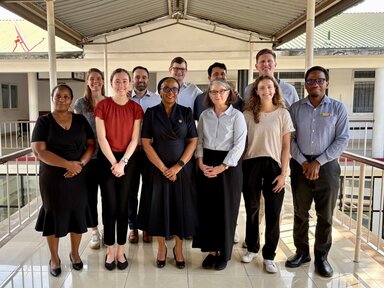
Center for Global Health + College of Pharmacy
Building a sustainable defense against antimicrobial resistance in Tanzania
College of Pharmacy
Hibionada, Worralls attend International Pharmaceutical Federation World Congress
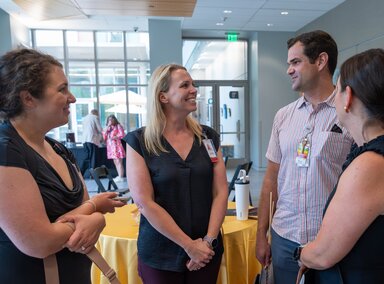
Education + College of Dental Medicine
MUSC honors faculty at 2026 James W. Colbert Lectureship and Faculty Awards and Recognition...
Accreditation & Recognition
The Pharm.D. program at MUSC is accredited by the Accreditation Council for Pharmacy Education (ACPE). ACPE accreditation means that our program meets or exceeds established standards for a professional program leading to the Doctor of Pharmacy degree. Whereas accreditation applies to training programs, licensure applies to individuals.
Our program prepares students for and makes them eligible to take the North American Pharmacist Licensure Examination (NAPLEX), which all individuals must pass in order to practice pharmacy. Passing the NAPLEX is necessary, but it may not be sufficient to practice pharmacy in a given state. You may visit the National Association of Boards of Pharmacy (NABP) website to view additional requirements for practicing pharmacy in each state.